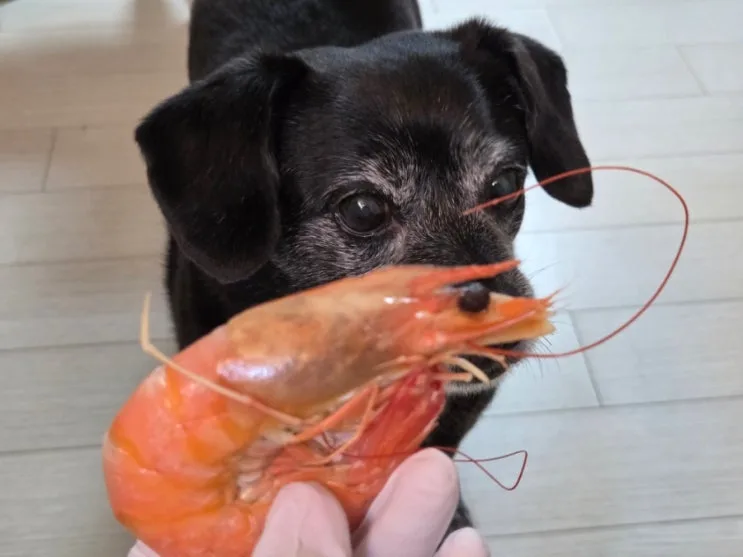
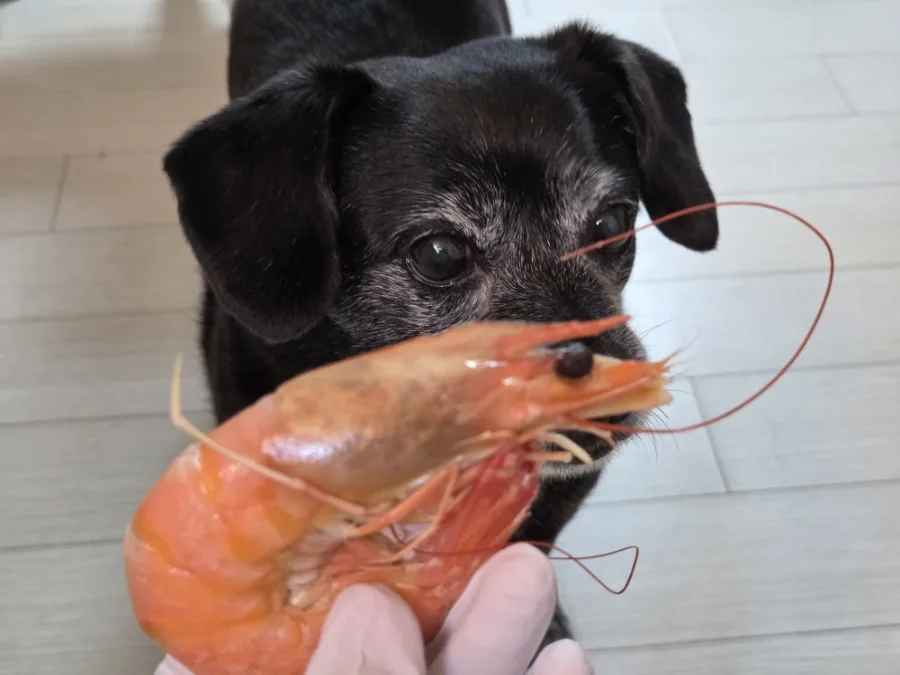
Shrimp and prawns are in season right now,
and when I tried sharing some with my dog, the shell turned out to be the problem.
Lately, every time I turn on the TV, I see people digging into seasonal prawns and shrimp
on one food show after another.
And since I love grilled shrimp, there was no way I was going to resist.
So I headed straight to the market, bought some shrimp, and steamed them at home.
The second Sawol caught the smell, she parked herself by the kitchen and refused to leave.
That got me wondering: can dogs eat shrimp?
Seasonal prawns are everywhere this time of year,
so I also wanted to know whether prawns are safe for dogs,
and especially whether the shell, head,
and even the tail are okay—or where exactly to draw the line.
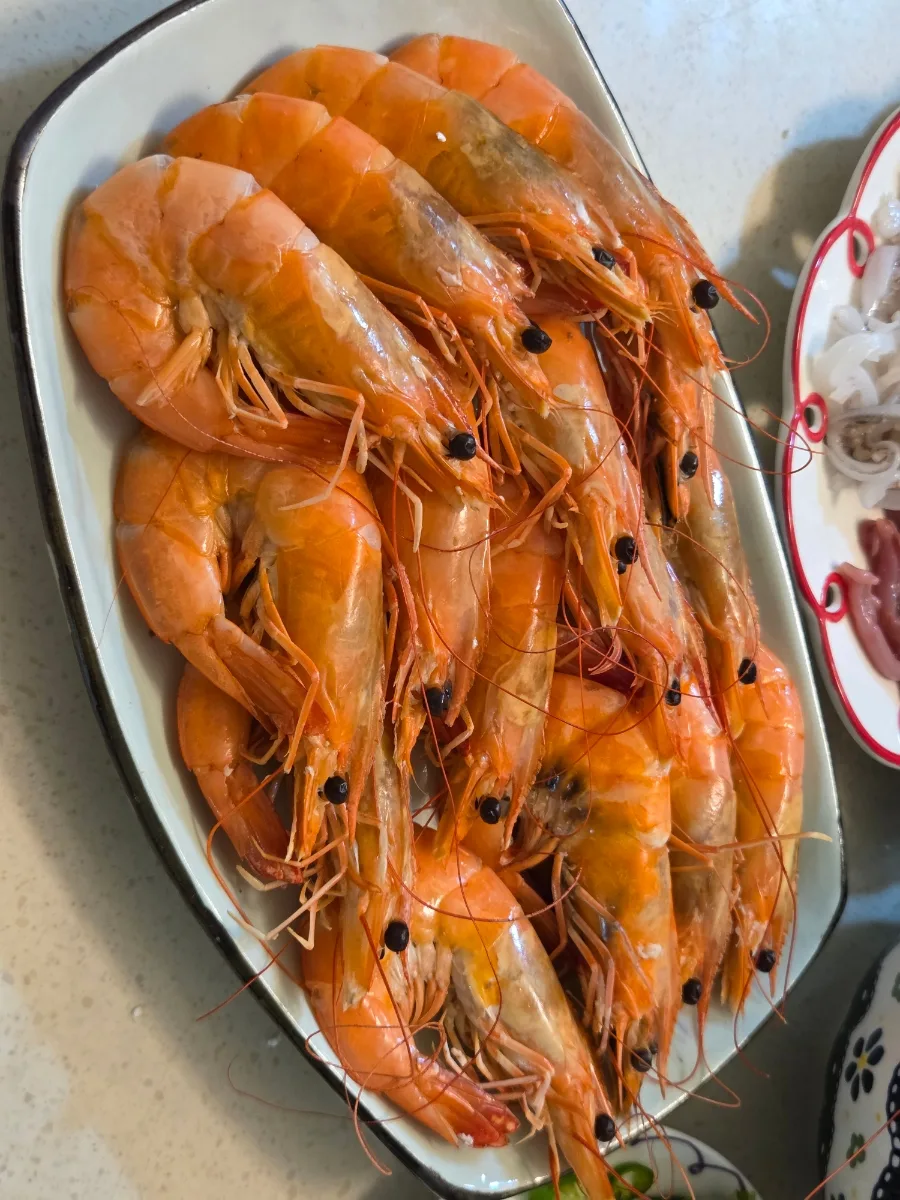
Nutritional benefits of shrimp for dogs
Shrimp and prawns are ingredients dogs can eat.
The key condition, of course, is that you’re only offering
a small amount of plain, fully cooked meat.
Shrimp can be a good source of protein,
and they also contain
nutrients like vitamin B12 and phosphorus.

They’re relatively low in fat and calories too,
which makes them a lighter option
for an occasional treat.
That said, even though shrimp has some nutritional value,
it’s not something you need to go out of your way to feed.
If your dog is already doing well on a balanced diet,
shrimp for dogs is best treated as
an occasional extra, not a must-have.
Why dogs should only eat the meat of prawns too
Prawns really aren’t much different from shrimp when it comes to feeding them to dogs.
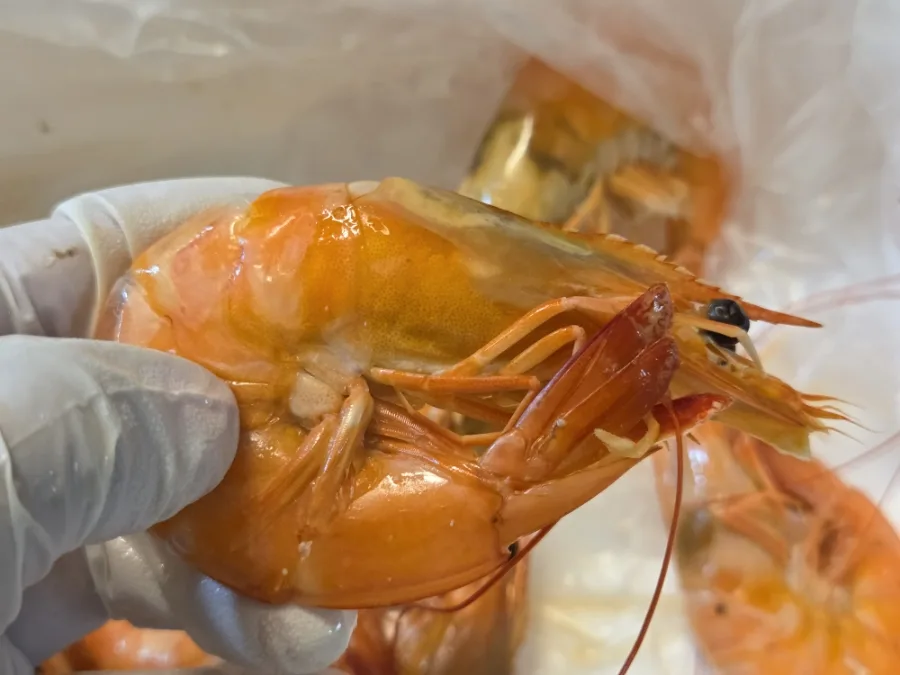
For dogs, prawns should also be fully cooked and cleaned, with the head, shell,
and tail removed so only the meat is served.
At first, I honestly thought maybe the shell
would be okay for them to chew.
But shrimp shells are hard,
and they can be difficult to digest.
The tail and head in particular have sharp,
rigid parts that can irritate the mouth, throat,
or digestive tract.
If you have a small dog like Sawol,
it’s also much safer to cut even the shrimp meat into
bite-size pieces.

Cooked heads and shells get even harder
A lot of people love the crispy grilled heads
that come with seasonal prawns.
But feeding dogs the same way
people eat them is a completely different story.
Cooked shrimp shells or heads for dogs
can still have hard, sharp sections,
which means they can get stuck in the throat or irritate the digestive tract when swallowed.
If a dog gulps down a large piece, it may also be hard to digest.
So even if it feels wasteful,
your dog’s portion should always have the head, tail,
and shell removed, leaving only the soft meat.
That’s the part worth remembering.

Why fully cooked shrimp is safer than raw shrimp for dogs
When feeding prawns or shrimp to dogs,
it’s safer to serve them fully cooked
rather than raw.
Raw seafood can be exposed to bacteria
and other contaminants.
The same goes for frozen shrimp.
Just because it’s been frozen doesn’t mean
it’s ready to serve right away—you still need to thaw it and cook it thoroughly.
It also needs to be plain,
with no salt, butter, garlic, or other seasonings.
That means the soy-braised shrimp I ate that day
wasn’t something I could safely share just by picking out the meat.
The seasoning had already soaked in, so skipping it for Sawol was the right call.

Watch for allergies the first time your dog tries shrimp
Since shrimp is a shellfish,
it’s best to start with a very small amount if your dog has never had it before.
Even if your dog seems to love it, don’t start by offering several pieces at once.
Give a small bite first, then watch closely.
If your dog has vomiting or diarrhea after eating shrimp,
or shows itching or skin irritation,
it’s best not to feed it again.
If you notice more serious symptoms like breathing trouble
or facial swelling, your dog needs prompt veterinary
care.
This matters even more for dogs
that are already sensitive to certain foods.
Daily treat limits matter more than the number of shrimp
I was also curious how many shrimp a dog could have.
But since shrimp vary so much in size, it’s hard to make a simple rule like
one for a small dog or three for a large dog.
With larger prawns,
even the meat from one shrimp can be
a pretty big portion for a small dog.
A practical rule is to keep all treats
within 10% of your dog’s daily calories,
and count shrimp as part of that total.

When seasonal prawns are everywhere, it’s easy to want to share them,
but with shrimp for dogs, what matters most isn’t just what you feed—
it’s how you prepare it.
As long as you avoid giving the whole shrimp with the shell on
and stick to a small amount of cooked meat,
you’ll feel a lot better about sharing a bite safely.